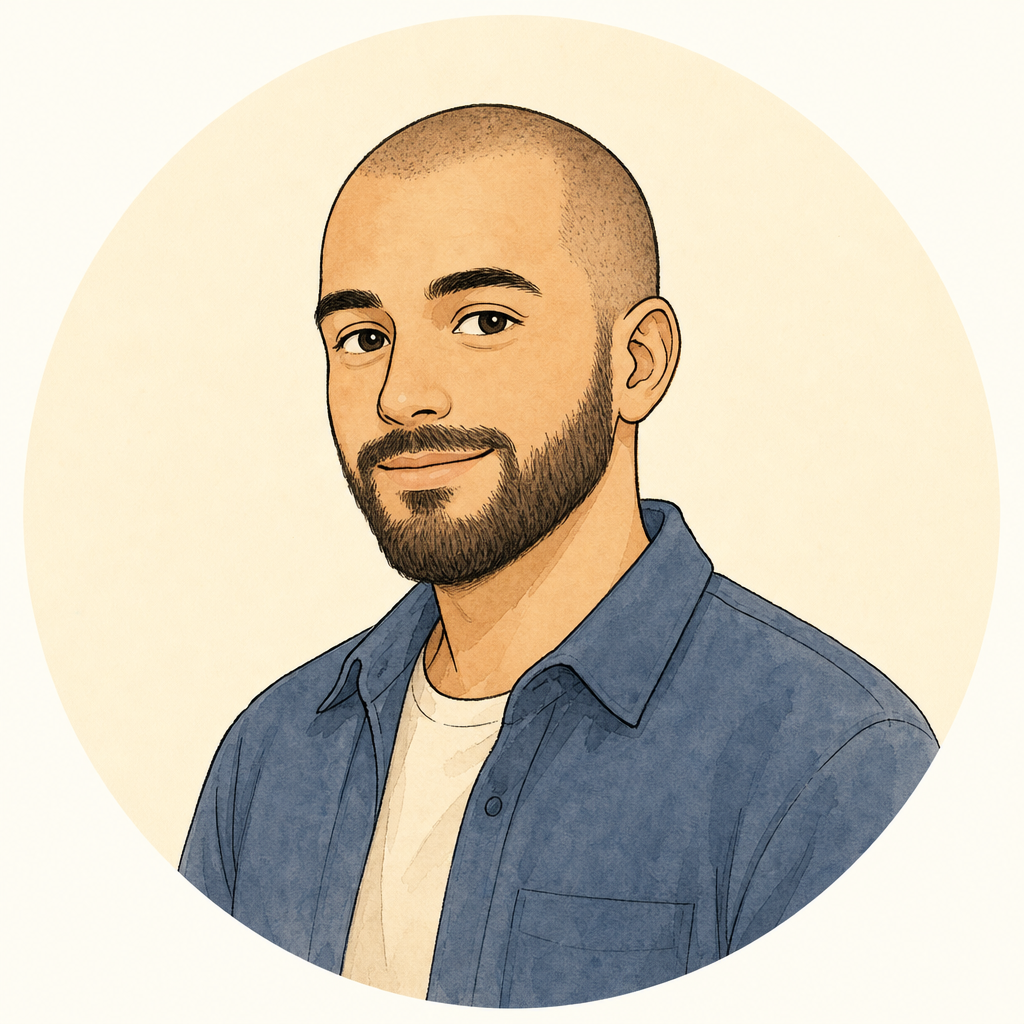
Product Manager
Claude- 1Drafts a PRD for a new feature in Claude
- 2Gathers twin feedback via the august MCP
- 3Discovers gaps and wrong assumptions
- 4Ships a ready-to-implement PRD, faster



august is a human prediction platform powered by Digital Twins of your own users trained directly on your own data. Ask questions, run focus groups and forecast reactions without waiting.
Each role brings august into the tool they already live in — Claude, Figma, GitHub, or a focus group — and shares what they learn with the rest of the team.
Every role runs the same twins from the tool they already use, so a decision made in a PRD, a mock, or a pull request is one the whole team can see.
Stop guessing before you launch. Show a twin your pricing, your pitch, or a half-baked idea and find out what they actually think.
Every twin is built from how real relevant people actually behave with your product. Shoppers, app users, prospects, site visitors. Run your pricing, your pitch, or a new page past them and get answers in minutes, not weeks.

Ask a panel of twins the same thing at once. You understand what is working and what isn't side by side in minutes, without booking a single call.
9 of 12 said they'd be down to try it. The thing that got them was how robotic the writing was. A few liked how scannable it was for that reason, though. Their real problem is how much of a spam of emails they received in the first place, not how it gets sorted or written.
Ask hundreds of digital twins the same question and watch the answers come in as they respond. What used to take weeks of fielding takes a few minutes.
Interactions and behaviors are fed into our training pipeline to generate decision-making and personality weights for each individual.
Each interaction generates memories, giving the twin perfect recall of what an individual has encountered.
Reflections are built on top of memories, so each twin understands the individual's higher-level thinking and motivations.
Describe the people you want to understand and august gathers the right twins, then lets you interview, survey, or run a focus group with them.
All of your digital twins sit in one pool, each trained on how a real person behaves in your product.
Say who you want to focus on in plain English. august matches on how people actually behave, not demographics.
Interview, survey, or run a focus group with the whole segment, and every answer traces back to real sessions.
A focus group of hundreds of your customers, built from how real people actually behave on your site.
 Claudegeneral-purpose LLM
Get started for free, then buy more credits only when you need them. No upfront cost. No subscription fees.
Start with generic twins, then build twins from your own customer data.
$25 for 500 usage credits
Custom credit rate and included credits
Estimated usage per run. Actual usage may vary based on the length and complexity of the research.
1:1 conversation
~20 credits
Focus group
~250 credits
Survey
~800 to 1,200 credits
Credits are August's unit of usage. They are spent when August generates new work. Actual usage varies with the length and complexity of the research. Viewing existing chat transcripts or results does not use credits.
August enables product teams to conduct user research with digital versions of their real users. These digital twins, as we call them, are built from real behavioral session data. You can run interviews, focus groups, and surveys with the twins built from people who actually use your product and get answers in seconds instead of weeks. Because each twin is built from what a person actually did, not what they say they'd do, it surfaces what your users really want.
We beat generic LLMs in a head to head comparison when asking to predict behavior, see how we evaluate digital twins. If you describe your user to an LLM and tell it to pretend to be them, it tends to drift toward the average, agreeable answer. An august twin is tied to one real person's behavior and remembers what they actually did through memories and reflections, so it answers the way that person's history suggests. And unlike a generic model that's wired to agree, a twin will push back if your idea doesn't hold up.
Anyone who has to make a call about their product and wants to know how users will react before they commit. That usually means product managers, designers, marketers, and founders: the people who would otherwise wait weeks to recruit and schedule users, talk to randoms or LLMs, or just ship on a hunch.
August is a standalone product. The underlying digital twins technology started inside the FERMÀT commerce platform. August opens it up beyond commerce to SaaS, mobile apps, and marketing sites.
We beat generic LLMs in a head to head comparison when asking to predict behavior, see how we evaluate digital twins. We have multiple case studies in progress and hope to provide a more validated answer that tests against human counterpart responses. In the meantime, the best test is to try it with your own twins. Signup comes with free credits, so you can run a real question and see what comes back before you spend anything. You can also check out how we train digital twins.
Traditional user research: the Kantar, UserTesting, Nielsen, and Listen Labs approach of asking strangers or your coworkers what your customers think. If you're paying to survey strangers, you should be talking to twins of your actual customers instead.
 ChatGPT
 GitHub
 Claude
 Slack
Slack Figma
Figma